City to continue tackling chemicals of emerging concern in coastal environment
22 August 2025
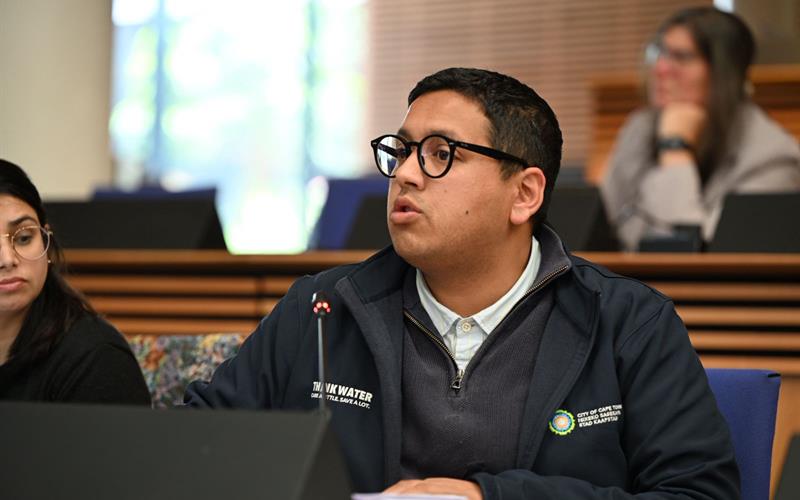
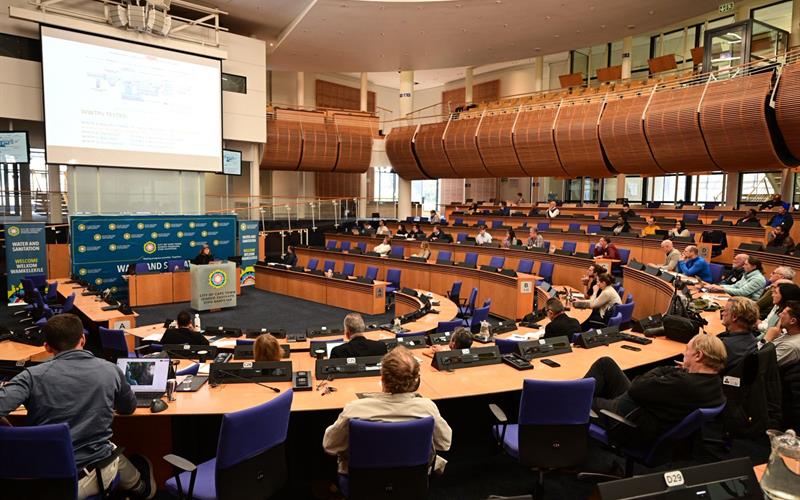
The City of Cape Town presented the latest performance and environmental monitoring results for the marine outfalls at Camps Bay, Green Point, and Hout Bay at the Permit Advisory Forum (PAF) hosted earlier today, Friday, 22 August 2025. Findings confirm that the outfalls continue to operate largely within design specifications and regulatory compliance standards. The session also featured a presentation from Professor Leslie Petrik, who shared findings from independent studies with recommendations to the City.
Collaboration with Researchers
The PAF invited Professor Leslie Petrik from the University of the Western Cape to present her latest research on the presence of contaminants of emerging concern (CECs), such as pharmaceuticals, endocrine disruptors, and antibiotic-resistant microbes, in the marine environment.
The impact of CECs is a global challenge.
She also highlighted her concerns about the gaps between the City’s wastewater treatment processes and international wastewater treatment standards, as well as the levels of perflourinated compounds identified in fish, mussels and oysters tested along the coastline as part of her study.
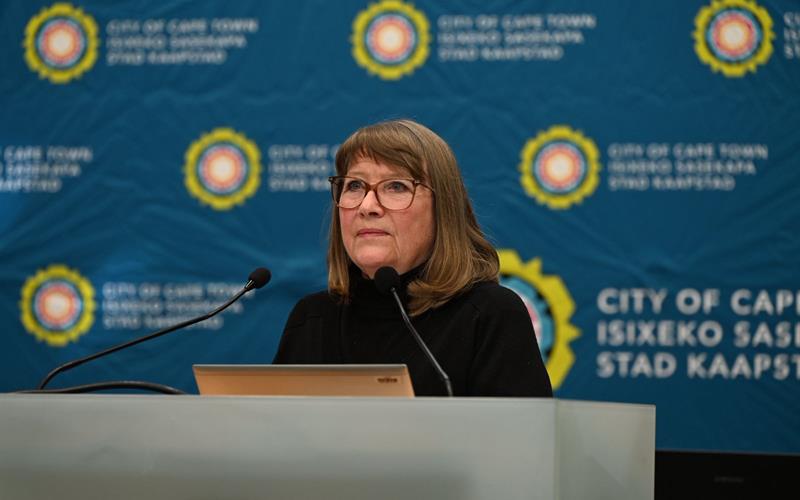 ‘While the City’s marine outfalls remain compliant with national regulations, we recognise that compliance alone may not fully address emerging challenges. That is why we are open to collaborating with the academic community, to ensure that the latest developments and research assist in informing our long-term upgrade and treatment options. I am glad Professor Petrik has committed to continue engaging with the City of Cape Town on the applications of her research,’ said the Deputy Chairperson for the Section 80 Advisory Committee on Water Quality in Wetlands, Waterways and the Coastal Environment, Councillor Alex Lansdowne.
‘Collaboration and partnering is to the benefit of the City, which seeks to not only meet today’s standards, but to invest proactively towards improving infrastructure for a future in which our coastal water quality and communities are protected against emerging risks. Further engagements are being planned to look into the academic recommendations put forward,’ said Councillor Zahid Badroodien, Mayoral Committee Member for Water and Sanitation.
Quarterly environmental monitoring results (April - June 2025) and permit compliance
Between April and June 2025, a total of 477 coastal water samples were collected and tested. Only eight samples (1,7%) exceeded the single-sample limit for enterococci bacteria. Most of these were within the mixing zones near the outfalls, where some exceedances are expected. A few were recorded offshore in Table Bay, but overall results confirm that the surrounding coastal waters remain safe for recreational use.
Both internal and independent monitoring show high compliance with the Department of Forestry, Fisheries and the Environment (DFFE) discharge permits:
- Camps Bay: 88,9% (City samples), 99,3% (Auditor samples)
- Green Point: 80,9% (City), 95,8% (Auditor)
- Hout Bay: 98% (City), 100% (Auditor)
‘These results reflect our continued commitment to operate responsibly within national regulations, while safeguarding Cape Town’s coastal environment,' said Councillor Badroodien.
Operational integrity and incidents reported
- Camps Bay: No incidents reported.
- Green Point: One of the main outfall pumps experienced a vibration issue caused by a faulty valve. The valve was repaired, and the pump is now back in service. At present, two jockey pumps and two main outfall pumps are running reliably. A third main pump is already on site and will be installed once the new outlet pipeline has been fitted.
- Hout Bay: A screening unit used to remove large debris broke down. While a new unit is being manufactured, a standby unit from Green Point is being used to keep operations running. In addition, a booster pump was sent for repairs and has since been restored to working order on 21 August 2025.
Continued interventions in marine outfalls
The City has embarked on a phased refurbishment plan to strengthen the resilience and performance of the marine outfall
Short-term: Refurbishment of existing equipment
A refurbishment tender is in the final evaluation stage, with work expected to start in January 2026. The scope includes:
- Screening: Mechanical and rotary fine screens across all outfalls
- Odour and fire control: Odour management, HVAC, fire safety systems, washer compactors
- Pumps: Upgrades to washwater, outfall, jockey and drainage pumps
- Electrical and control systems: Power distribution, MCCs, advanced monitoring and instrumentation, security and surveillance
Medium-term: Upgrades under feasibility
- Phase 1A: Primary clarification with settling tanks, fermentation process, and upgraded inlet works
- Phase 1B: Addition of sludge dewatering facilities
Long-term: Exploring alternative treatment options
- An ongoing feasibility study has narrowed 60 design options to 9 viable scenarios, with further reduction to six through a multi-criteria analysis.
- Potential solutions include full biological treatment (activated sludge bioreactors), sludge digestion, and advanced treatment trains for emerging contaminants (CECs).
‘The City is committed to transparent reporting, sustainable operations and long-term planning. Today’s update not only shows that we are on track with our permit conditions compliance, but that we are keen to have robust discussions with stakeholders who are invested in advancements to further progress the future of Cape Town’s wastewater infrastructure responsibly,’ said Councillor Badroodien.
End
Published by:
Media Office, City of Cape Town